Highlights
- The 2025 jewelry trends emphasize sustainability, craftsmanship, and personal expression for all.
- Investment-grade colored gemstones are rising in popularity amid shifting market dynamics and ethical concerns.
Summary
The 2025 jewelry landscape reflects a convergence of diverse trends emphasizing personal expression, craftsmanship, and sustainability. Dominated by both bold statement pieces and refined minimalism, the year’s styles range from layered chunky chains and sculptural rings to delicate diamond studs and gender-neutral designs crafted from modern materials like titanium and ceramic. This dynamic mix highlights a broader cultural shift toward inclusivity and versatility, with vintage-inspired motifs and natural elements—such as floral patterns and organic shapes—playing a significant role in contemporary collections.
Sustainability and ethical sourcing have become central to the industry, influencing material choices and production methods. The rise of lab-grown diamonds, recycled precious metals, and eco-friendly components like algae-based bioplastics underscores consumer demand for environmentally responsible luxury. Artisan craftsmanship remains highly valued, with a focus on high-quality, timeless pieces that combine heritage techniques with modern innovation, appealing to both traditional collectors and new audiences seeking meaningful accessories.
Colored gemstones, especially untreated varieties like rubies, Paraíba tourmalines, and spinels, have surged in popularity, partly driven by geopolitical concerns surrounding Russian diamonds and evolving market preferences. This shift has impacted pricing dynamics, with investment-grade colored stones commanding premium values and prompting greater emphasis on provenance, cut quality, and certification to maintain authenticity and value. However, the gemstone market also faces challenges related to treatment disclosures and supply chain transparency, sparking ongoing debate about ethical standards and consumer awareness.
Celebrity influence continues to shape trends and consumer perceptions, with figures such as Zendaya and Taylor Swift elevating jewelry as a form of personal storytelling beyond traditional luxury symbolism. At the same time, the blending of historical inspirations—from Victorian romanticism and Art Deco geometry to 1970s industrial aesthetics—creates a rich tapestry of styles that cater to diverse tastes and reinforce jewelry’s role as both fashion statement and cultural artifact in 2025.
Overview of Jewelry Trends in 2025
The jewelry trends of 2025 showcase a dynamic blend of bold statements, minimalism, and a renewed appreciation for craftsmanship and personal expression. A prominent theme is layering, where chunky chains, delicate strands, bold pendants, and mixed metals are combined to create curated yet spontaneous looks. Pre-layered styles make embracing this aesthetic effortless, encouraging wearers to mix and match textures and metals for a unique appearance.
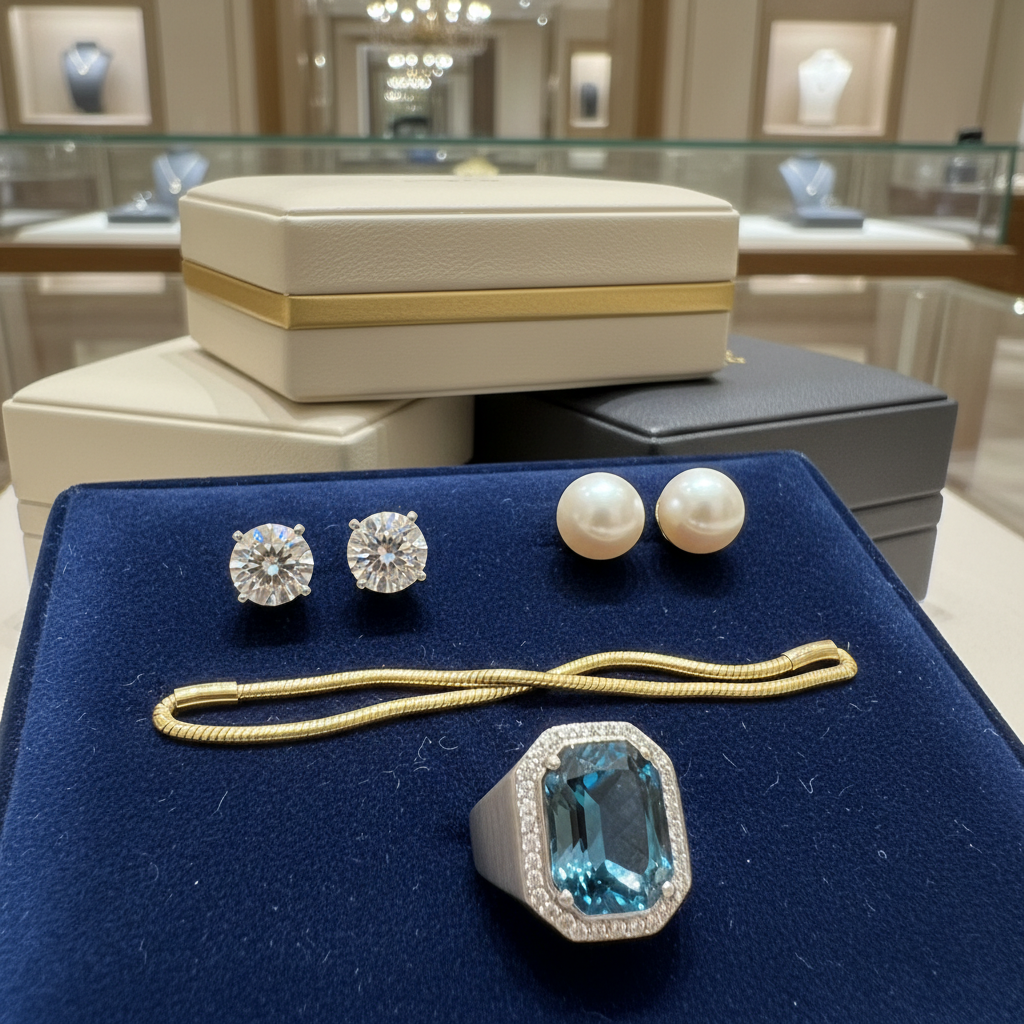
Minimalism also makes a strong comeback, emphasizing simple, elegant designs with clean lines that exude understated sophistication. This quiet luxury trend favors classic pieces such as diamond studs and delicate chains, focusing on high-quality materials and timeless appeal suited for any occasion. The quiet power of minimalism aligns with a broader fashion movement valuing refinement and restraint over ostentation.
In contrast to minimalist designs, 1990s-inspired bling and multiple ring stacking continue to gain popularity. Customized nameplate jewelry, initial rings surrounded by encrusted gems, and single chains worn as elegant accessories reflect this retro revival. Chunky, sculptural rings are also having a moment in 2026, often worn alone as statement pieces or stacked for maximum impact, highlighting bold self-expression.
Gender-neutral and unisex jewelry is shaping the industry, with collections blending masculine and feminine elements into versatile pieces for everyone. Popular items include unisex signet rings, adjustable cuffs, and minimalist chain designs made from sleek materials like titanium and ceramic, appealing to a non-binary audience. This inclusivity extends to styling, where mixing vintage heirlooms with modern pieces creates a “timeless contrast” that tells a personal story through jewelry.
Sustainability and artisan craftsmanship are increasingly important, with consumers valuing ethically made, high-quality pieces. Jewelry featuring organic shapes, floral and leaf motifs inspired by nature, and support for small-scale artisans is gaining traction, adding an earthy and artistic dimension to everyday accessories.
The influence of celebrity culture remains significant, with figures such as Zendaya, Margot Robbie, and Taylor Swift shaping perceptions of diamond jewelry not only as luxury symbols but as personal expressions of style. This celebrity impact drives consumer interest and shapes jewelry trends worldwide.
Lastly, coin jewelry and vintage-inspired pendants continue to rise in popularity, offering a worldly, heirloom-like aesthetic that pairs well with both casual and formal wear. Simple leather cords with eye-catching pendants serve as minimalist statement pieces, while gothic revival influences bring dramatic, romantic elements into jewelry design, featuring motifs like celestial symbols and mythological figures.
Must-Have Jewelry Pieces
Timeless jewelry pieces for 2025 are defined by classic design principles emphasizing simplicity, proportion, and clean lines. These essentials feature balanced shapes and understated details, ensuring lasting style and versatility. High-quality craftsmanship and materials remain crucial, with well-matched diamonds and secure settings being a top priority, particularly in items such as tennis bracelets, which should have consistent color, clarity, and size, along with safety clasps to prevent loss during wear.
Key must-haves include unisex signet rings, adjustable cuffs, and minimalist chain designs that cater to a broad audience. Materials like titanium and ceramic have gained popularity due to their sleek, non-binary appeal, supporting the trend toward gender-neutral fashion. The season’s emphasis on “timeless contrast” encourages mixing vintage and modern pieces, such as pairing heirloom brooches with metallic 3D-printed earrings or layering classic pearls with geometric smart bracelets to tell a personal story.
Pearl jewelry is undergoing a renaissance with bold, look-at-me styles like supersized strands and baroque bracelets becoming prominent. Pearls are no longer confined to formal wear and are now frequently paired with casual attire, including T-shirts, adding sophistication without formality. Alongside pearls, beaded jewelry crafted from natural materials is enjoying renewed popularity, driven by a preference for earthy elegance and authentic design.
Silver-toned jewelry is taking center stage as a sleek, modern alternative to the traditional warmth of yellow gold. This shift is exemplified by sterling silver pieces showcasing intricate craftsmanship and polished finishes, reflecting contemporary fashion’s cool and versatile edge.
Layering remains a dominant trend, with necklaces, bracelets, and earrings mixed and matched to create unique, personalized looks. This style allows for self-expression and has become a lasting staple in jewelry fashion, supported by pieces ranging from gold layered star-and-moon necklaces to delicate studs and huggies. Classic staples such as hoop earrings, diamond studs, and dainty gold necklaces continue to be essential, prized for their timeless appeal and ability to be passed down through generations.
Additional trending items include chunky, sculptural rings and oversized hoops that serve as statement pieces, offering bold self-expression while maintaining versatility for everyday wear. Mixed-metal pieces have surged in popularity, enhancing the edgy, modern aesthetic sought after in 2026 and emerging trends from late 2025.
Materials and Gemstones
The 2025 jewelry landscape reflects a growing preference for colored gemstones over traditional diamonds, driven in part by geopolitical controversies surrounding Russian diamonds and a shifting market perception that favors untreated, high-quality colored stones. The Swiss Gemmological Institute (SSEF) highlights this trend, noting increased demand not only for the classic “Big Three”—rubies, sapphires, and emeralds—but also for rarer gems like Paraiba tourmalines, black opals, spinels, and garnets. Fancy-color diamonds, while still sought after, have seen a relative decline in price compared to vibrant colored gemstones, which continue to outperform their polished diamond counterparts.
Investment-grade gemstones constitute a small fraction, roughly 1-2%, of all gem-quality stones available and must meet stringent criteria including exceptional color saturation, clarity, precise cutting, and significant size to qualify for this category. The cut quality of a gemstone is especially critical, as a well-executed cut enhances both visual appeal and market value. Size also plays a pivotal role, with larger stones commanding premium prices when combined with superior clarity and color. Provenance remains an influential factor in valuation; for example, rubies from Myanmar are highly prized for their exceptional quality and historical significance. Moreover, new discoveries of high-quality tourmalines in Nigeria and Mozambique have expanded the market, sparking discussions about their classification relative to the renowned Paraiba variety.
Sustainability and ethical sourcing are central themes influencing material choices in 2025. Jewelry brands increasingly incorporate carbon-neutral metals, such as 100% recycled gold and “carbon-negative” silver, alongside innovative eco-friendly materials including algae-based bioplastics and upcycled ocean plastics. Lab-grown diamonds are gaining dominance due to their affordability and eco-conscious appeal, with advancements enabling the production of larger, flawless stones in unique hues like champagne and teal, which are popular for engagement rings and statement pieces. Additionally, treatments like stabilization remain widely accepted for enhancing the durability of fragile gemstones such as turquoise and ammolite, preserving their natural appearance while extending longevity.
Black gemstones and materials continue to add modernity and contrast within fine jewelry collections. Elements like black enamel and onyx provide a striking complement to traditional white diamonds and are reflective of design inspirations drawn from utilitarian and industrial aesthetics of the 1970s and 1980s, which emphasized form over precious gems and fostered iconic metal-heavy pieces. Minimalist designs with clean lines and delicate craftsmanship are also projected to shine, often featuring handcrafted 24k gold accented with diamonds or colorful gemstones like emeralds and tourmalines.
Contemporary jewelry integrates these diverse materials and gemstones with a focus on individuality and sustainability. Artisan-made pieces frequently utilize sustainable metals such as 925 sterling silver, 18kt gold vermeil, and freshwater pearls, ensuring heirloom-worthy quality with a personal touch. Ethical sourcing is further supported by the popularity of conflict-free rare gems, including Paraiba tourmalines, and innovative trends like NFT-backed limited-edition jewelry that combine physical craftsmanship with digital ownership. This fusion of historic inspiration, modern technology, and environmental responsibility defines the materials and gemstone landscape of 2025 jewelry.
Historical Influences on 2025 Jewelry Designs
Jewelry designs in 2025 draw heavily from a variety of historical periods, blending vintage aesthetics with contemporary innovation to create bold, expressive pieces. One prominent influence is the Victorian era (1837–1901), which is subdivided into the Romantic, Grand, and Aesthetic periods. Early Victorian jewelry incorporated motifs from Classical, Gothic, Renaissance, and Ancient Greek and Roman mythology, reflecting a rich tapestry of historical inspirations that continue to resonate in modern designs.
Similarly, the Art Deco period’s geometric patterns and elegant decoration styles have been revived with a fresh, modern sensibility. This revival emphasizes retro-inspired accessories such as cameos and heirloom-style rings, appealing to consumers seeking timeless elegance with a story.
The 1970s and 1980s also serve as a key source of inspiration, with their focus on utilitarian and industrial design elements. These decades featured metal-heavy jewelry emphasizing form over precious stones, resulting in iconic, chic styles that have regained popularity among contemporary designers and collectors.
In addition, the Georgian era of the 18th century is echoed through the use of lighter, airier frameworks facilitated by advancements in metals like platinum, which allow intricate yet durable mountings that modern jewelers reinterpret with new techniques and aesthetics.
Price Ranges and What to Expect
In 2025, jewelry price ranges vary widely depending on the type of piece, materials used, brand heritage, and whether the gemstones are natural or lab-grown. Consumers can expect accessible options in the $200 to $500 range for high-quality, artistic pieces crafted from sustainable materials such as 925 sterling silver, 18kt gold vermeil, 14kt gold, and freshwater pearls. These demi-fine jewelry items often balance affordability with heirloom-worthy quality, appealing to budget-minded shoppers seeking luxurious yet reasonably priced accessories.
Lab-grown diamonds and sapphires have become increasingly popular due to their affordability and eco-conscious appeal. Prices for lab-grown diamond jewelry typically range from $2,500 to $4,500, offering a more accessible alternative to traditional diamonds, which can cost millions at the high end. Jewelry trends in 2025 also favor solid precious metals and minimalist designs, sometimes foregoing stones altogether for a more industrial or quiet-luxury aesthetic.
Fine jewelry from iconic luxury houses such as Tiffany & Co., Cartier, and Boucheron commands significantly higher prices, often starting around $3,000 and rising well beyond that. These prices reflect not only the use of precious metals and gemstones but also decades of craftsmanship, brand prestige, exclusivity, and emotional storytelling embedded in each piece. High-end gemstones like Paraíba tourmaline, renowned for its vivid neon luminance and rarity, can reach auction prices as high as $160,000 per carat, exemplifying the upper echelon of gemstone investment.
Colored gemstones, especially untreated and high-quality specimens such as spinels, garnets, and black opals, have seen rising interest and price growth. Mahenge spinel, for example, has experienced explosive price increases as it gains mainstream recognition among designers and collectors. However, the gemstone market remains complex, with authentication, treatment disclosures, and origin documentation playing critical roles in maintaining value. Without proper certification, a gemstone’s investment value can decrease by over 50%, emphasizing the importance of thorough verification for buyers and investors.
Factors Influencing Gemstone Value and Quality
The value and quality of gemstones are determined by several critical factors that collectively influence their market appeal and price. Among these, cut quality plays a pivotal role; a well-executed cut can significantly enhance a gemstone’s visual appeal and increase its market value. Size is also a major determinant, as larger gemstones generally command higher prices, particularly when combined with exceptional clarity or color. Additionally, a gemstone’s provenance—the geographic origin—can substantially impact its valuation. For example, rubies from Myanmar are highly prized due to their superior quality and historical significance.
Investment-grade gemstones represent only the top 1–2% of all gem-quality stones available. These stones must exhibit exceptional characteristics across all grading criteria, including color saturation, clarity, precision of cut, and size. The rarity of such gems makes them especially sought after by collectors and investors.
Market conditions also affect gemstone value. The sourcing of colored gemstones remains challenging for dealers, with increased mining costs—some reporting rises of up to 50% since the pandemic—and a declining mining workforce contributing to price inflation. This scarcity, combined with growing retail demand in markets such as the United States, has led to a robust outlook for colored gems in 2025. The rising interest in colored gemstones is partly driven by consumers seeking novelty and investors looking for alternatives to diamonds, which continue to dominate the jewelry market but face certain industry challenges.
Gemstone treatments are a common practice used to enhance the appearance of stones by improving color or clarity, often making treated gemstones more affordable than their natural counterparts. Treatments such as heat treatment and stabilization are widely accepted within the industry when properly disclosed, although they influence value and require transparency for informed purchasing decisions. For instance, heat-treated sapphires and oiled emeralds are common examples, while untreated stones often command significant premiums.
A specific example highlighting the interplay of durability, treatment, and value is Paraíba tourmaline. Known for its distinctive neon glow, Paraíba is durable enough for regular wear, with a hardness of 7 to 7.5, though it requires careful handling and proper care to maintain its value. Heat treatment is standard and accepted when disclosed, while untreated stones are exceptionally rare and more valuable.
Choosing the Right Jewelry
Selecting the right jewelry involves balancing style, quality, and long-term value. In 2025, the emphasis is on investing in versatile, timeless pieces that complement personal style while also offering potential financial appreciation. Instead of acquiring numerous items, experts recommend starting with a curated collection of 5-7 essential pieces, such as diamond or pearl studs, a simple gold chain, a signature ring
Care and Maintenance
Proper care and maintenance are essential to preserve the beauty and longevity of jewelry pieces, especially those featuring delicate or treated gemstones. For example, stabilization treatment is commonly applied to fragile stones like turquoise and ammolite to enhance their durability. Natural turquoise is porous and can absorb oils over time, causing color changes, which stabilization helps to prevent.
Certain gemstones, such as Paraíba tourmaline, require special handling despite their durability. To maintain their vibrant neon glow, cleaning should be done with warm water, mild soap, and a soft brush. It is important to avoid ultrasonic cleaners, sudden heat changes, harsh chemicals, and steam, which can damage the stone. Additionally, storing Paraíba tourmalines separately from harder gemstones like sapphires and diamonds is recommended to prevent scratches.
In terms of materials, high-karat gold, platinum, and natural gemstones tend to retain their resale value better when properly cared for. Jewelry items with classic designs, good condition, and proper certification also perform better on the secondary market, highlighting the importance of maintaining both the physical piece and its documentation.
Sustainability is another consideration in jewelry care. Many brands now use carbon-neutral metals and plant-based resins, and consumers are encouraged to choose pieces made from recycled gold or “carbon-negative” silver to reduce environmental impact. Trending materials such as algae-based bioplastics and upcycled ocean plastic not only support sustainability but may also require specific care to maintain their appearance.
The content is provided by Sierra Knightley, The Daily Pulse