Summary
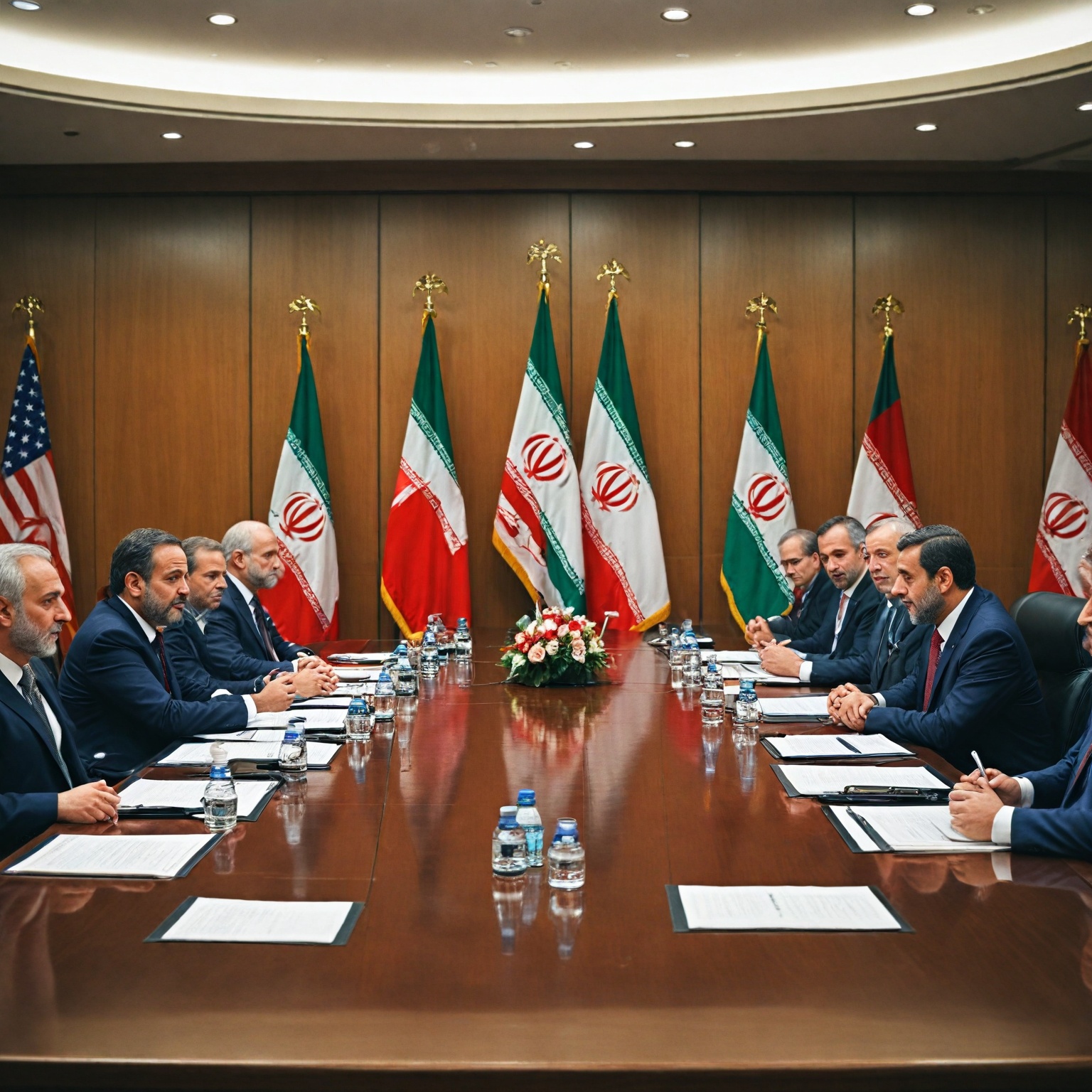
Trump’s Urgent Plea to Iran to Secure Nuclear Deal Before Time Runs Out refers to a high-stakes diplomatic initiative undertaken by former U.S. President Donald Trump in early 2024, urging Iran to finalize an agreement aimed at curbing its nuclear program. This plea emerged amid escalating tensions over Iran’s nuclear advancements and increasing uranium enrichment activities that raised concerns about Tehran’s potential development of nuclear weapons. Trump’s administration demanded a significantly tougher deal than the 2015 Joint Comprehensive Plan of Action (JCPOA), insisting on the complete dismantling of Iran’s uranium enrichment capabilities as a precondition for lifting economic sanctions.
The plea was set against a backdrop of decades-long conflict over Iran’s nuclear ambitions, marked by the U.S. withdrawal from the JCPOA in 2018 and subsequent “maximum pressure” sanctions that prompted Iran to scale back compliance. Negotiations mediated by third parties, including Oman, China, and the European Union, continued intermittently but faced persistent deadlocks, particularly over Iran’s right to enrich uranium and demands for comprehensive sanctions relief. Trump’s administration emphasized urgency, issuing a two-month deadline for Iran to respond, warning that failure to comply could result in renewed sanctions or even military action.
Reactions to Trump’s plea were mixed and highlighted the diplomatic complexities involved. Supporters viewed the hardline stance as necessary to prevent nuclear proliferation, while critics warned that the uncompromising demands risked escalating tensions and undermining fragile diplomatic channels. Iranian officials dismissed some of Trump’s more aggressive public statements as unrealistic but expressed cautious openness to negotiations under strict conditions. The broader geopolitical context—including regional conflicts like the 2023 Israel-Hamas war and competing influences from Russia and China—further complicated efforts to reach a durable agreement.
The urgency of Trump’s plea underscored the precarious nature of U.S.-Iran relations and the global concern over nuclear proliferation in the Middle East. With the International Atomic Energy Agency (IAEA) reporting increased uranium enrichment and disruptions to monitoring, the negotiations carried significant implications for regional stability, international security, and the future of diplomatic engagement with Iran. Despite the challenges, ongoing dialogue signaled that both sides remained invested in avoiding military confrontation and seeking a resolution, though the path forward remained uncertain.
Background
The tensions between the United States and Iran over Tehran’s nuclear program have persisted for more than four decades, intensifying in recent years due to Iran’s continued nuclear advancements and support for proxy groups in the Middle East. A significant diplomatic effort to address these concerns culminated in the Joint Comprehensive Plan of Action (JCPOA), commonly known as the Iran nuclear deal, agreed upon in July 2015. Under the JCPOA, Iran committed to limiting its nuclear program and allowing extensive international inspections in exchange for relief from economic sanctions.
The JCPOA involved negotiations between Iran and the P5+1 countries—the five permanent members of the UN Security Council (China, France, Russia, the United Kingdom, and the United States) plus Germany—and went into effect in January 2016. Despite these efforts, the Trump administration unilaterally withdrew the United States from the agreement in 2018 and reinstated severe sanctions on Iran in a policy known as the “maximum pressure” campaign. In response, Iran gradually reduced its compliance, increasing uranium enrichment beyond the limits set by the JCPOA and expanding its nuclear activities.
Throughout this period, indirect negotiations continued between the U.S. and Iran, often mediated by third parties such as Oman, China, Russia, and the European Union. These talks have been characterized as difficult but necessary, with both sides signaling willingness to engage while maintaining strict red lines, including Iran’s demand for sanctions relief before scaling back its nuclear program. The Biden administration showed interest in reviving the JCPOA, but negotiations stalled amid broader geopolitical tensions, including the Russian invasion of Ukraine and escalating conflicts in the Middle East.
The situation further escalated following the outbreak of war between Israel and Hamas in October 2023, heightening fears of a direct U.S.-Iran conflict. Negotiations in venues like Muscat, Oman, aimed to find a diplomatic solution, but major issues remained unresolved, such as Iran’s uranium enrichment levels and stockpile management. The Trump administration sought a tougher deal than the original JCPOA, with goals including the full dismantling of Iran’s nuclear program, reflecting a broader strategy to curb Tehran’s regional influence.
Trump’s Urgent Plea to Iran
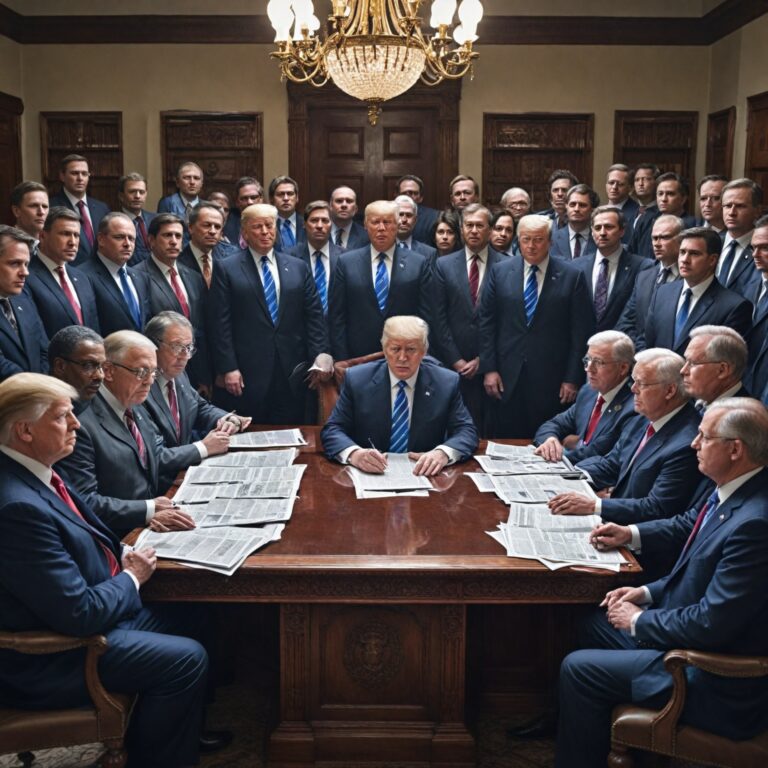
In early 2024, former President Donald Trump issued a stark warning to Iran regarding its nuclear ambitions, emphasizing the urgency for Tehran to make a definitive decision on its nuclear program. Trump conveyed that time was running out for Iran to agree to terms that would prevent it from developing nuclear weapons, underscoring that failure to reach a satisfactory deal could provoke severe consequences, including potential military action by the United States and Israel.
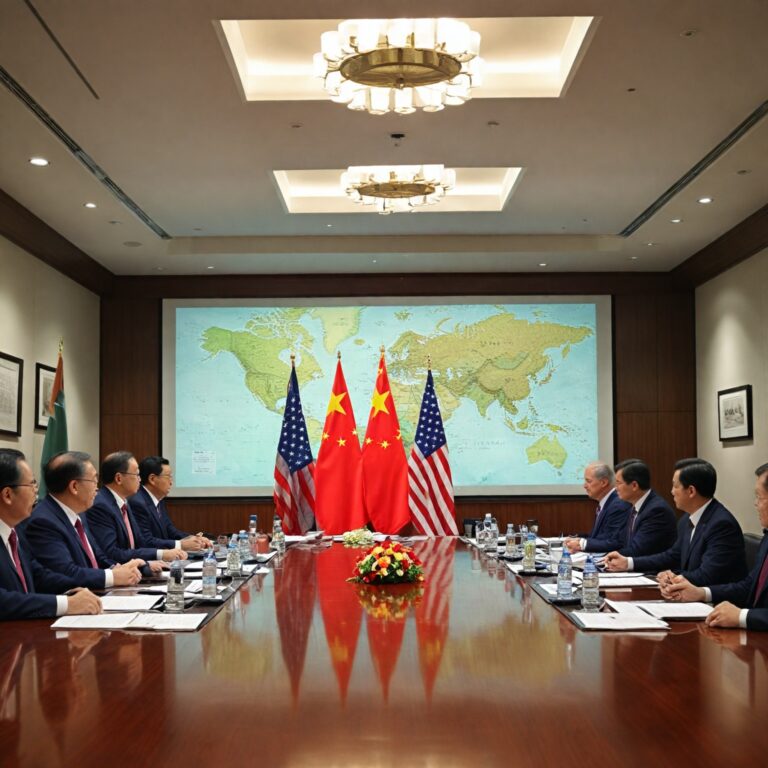
Trump’s administration was engaged in direct and indirect negotiations with Iranian officials, mediated in part by Oman’s foreign minister, with several rounds of talks conducted by envoys from both sides. Despite these efforts, the details of any potential agreement remained vague, and significant differences persisted, particularly concerning Iran’s right to enrich uranium. Trump demanded a deal that would eliminate Iran’s ability to enrich uranium altogether, a stance that Iranian negotiators rejected as untenable.
In March 2024, Trump reportedly sent a letter to Iranian leaders giving them a two-month deadline to respond to U.S. demands. His administration insisted on halting all uranium enrichment activities as a precondition for any agreement, reflecting concerns raised by reports from the International Atomic Energy Agency (IAEA) that Iran had significantly increased its uranium stockpile, enriching material to levels nearing weapons grade.
Trump’s public statements included emphatic language about the nature of the deal he sought, asserting that the United States should be able to “take whatever we want” and “blow up whatever we want” as part of the terms—remarks which Iranian officials dismissed as unrealistic fantasies. Nonetheless, Trump stressed the seriousness of the negotiations, describing them as “very serious” efforts aimed at securing long-term peace in the region.
The stakes were high, with the possibility of reimposing sanctions looming if negotiations failed, a scenario that could escalate tensions dramatically. Observers noted that passing the deadline without resolution would leave the situation precarious and potentially force the United States and its allies to restore nuclear-related sanctions on Iran. Trump’s administration framed these demands and deadlines within a broader strategy to dismantle Iran’s nuclear program fully and to respond decisively to any perceived Iranian non-compliance.
Reactions to the Urgent Plea
Reactions to former President Donald Trump’s urgent plea for Iran to secure a nuclear deal before time ran out were mixed and highlighted the complexities surrounding the negotiations. Supporters of the plea emphasized the significant sacrifices required when diplomacy is set aside and viewed the proposed agreement as a foundational step toward permanently resolving the conflict over Iran’s nuclear program. However, critics and analysts warned of potential crises should negotiations fail, noting that the looming snapback of sanctions could escalate tensions dramatically. Trump’s insistence on a tougher deal than the 2015 Joint Comprehensive Plan of Action (JCPOA), including the full dismantling of Iran’s nuclear program, was seen as a major hurdle, with limited deals viewed as insufficient to meet the urgency conveyed by his administration.
International responses reflected both cautious optimism and skepticism. Early in Joe Biden’s presidency, efforts to return to the JCPOA showed promise but ultimately stalled, with Iran increasing uranium enrichment and imposing retaliatory sanctions, and the U.S. responding with its own sanctions over missile programs, oil exports, and human rights abuses. This cycle perpetuated tensions, further exacerbated by proxy conflicts and retaliatory strikes in the region. Iranian officials issued stern warnings that any military strike on their nuclear facilities would trigger a forceful response, including withdrawal from nonproliferation agreements and termination of international inspections.
Negotiations saw persistent deadlocks, notably Iran’s demand that all sanctions be lifted before it would scale back its nuclear activities. Efforts by Russia, China, and European powers to mediate and encourage flexibility within the Iranian parliament, which is dominated by hardliners, underscored the political complexities. The International Atomic Energy Agency (IAEA) maintained a cautious stance, affirming the robustness of its verification arrangements despite misunderstandings over inspection responsibilities. Indirect talks mediated by Oman and intermittent direct negotiations demonstrated some willingness on both sides to explore compromises, although significant mistrust remained. Iranian officials suggested that certain technical issues, such as the handling of enriched uranium above 5%, were longstanding negotiation topics contingent on verifiable sanction relief.
Within Iran, voices indicated a pragmatic approach; some officials signaled openness to indirect negotiations, but the memory of the U.S. withdrawal from the JCPOA in 2018 under Trump cast a long shadow over trust and progress. From the U.S. side, while Trump’s tone suggested a desire to reach a deal, internal divisions and mutual distrust with Iran complicated prospects for a secure agreement. Analysts noted that, for Iran, the potential economic benefits from lifting sanctions might outweigh deep-seated skepticism of U.S. intentions. Overall, the reactions underscored that any successful resolution would require considerable compromise, patience, and overcoming entrenched political and strategic challenges on both sides.
Developments Preceding and Following the Plea
In the period leading up to former President Donald Trump’s urgent plea to Iran to secure a nuclear deal, diplomatic efforts between the United States and Iran experienced both cautious progress and significant setbacks. Initial negotiations, including rounds held in Oman and exchanges mediated by Oman’s foreign minister, reflected a mutual, if tentative, interest in reviving a nuclear agreement aimed at preventing Iran from developing nuclear weapons. Iranian officials described the talks as “difficult but useful,” while U.S. envoys expressed cautious optimism about the dialogue’s potential. During this time, discussions focused on critical issues such as Iran’s uranium enrichment levels and the management of its stockpiles of near-bomb-grade material, with the aim of setting the groundwork for further detailed negotiations.
Despite these efforts, tensions remained high. Trump publicly asserted the U.S. legal right to “snapback” sanctions under the 2015 Iran nuclear deal framework even after the U.S. withdrawal from the agreement, a claim rejected by European allies. Meanwhile, Iran increased uranium enrichment activities and imposed retaliatory sanctions in response to continued U.S. sanctions targeting its missile programs, oil exports, and alleged human rights abuses. Proxy conflicts and indirect confrontations, including attacks on U.S. bases and retaliation linked to regional conflicts such as the Gaza war, intensified the atmosphere of mistrust and confrontation.
The geopolitical context further complicated negotiations. Iran’s alliances with Russia and China were under strain amid growing uncertainty about the durability of these relationships following the Trump administration’s hardline policies. Additionally, concerns over Iran’s nuclear advances were heightened by the International Atomic Energy Agency’s (IAEA) reports of increased uranium enrichment and disruptions to monitoring systems, emphasizing the urgent need for a robust diplomatic resolution supported by stringent inspection protocols.
Following Trump’s public statements and the negotiation rounds, a tentative outline of a potential deal was shared with Iran by European and Iranian officials, marking the first significant indication of a possible path toward compromise aimed at averting a regional war over Iran’s nuclear ambitions. Nevertheless, diplomatic fragility persisted. The Biden administration’s attempts to reengage with Iran and revive the Joint Comprehensive Plan of Action (JCPOA) faced numerous obstacles, including Iran’s nuclear progress and its involvement in regional conflicts such as the Gaza Strip and Ukraine. Moreover, incidents such as Iran’s alleged interference in the 2024 U.S. presidential election and accusations of assassination plots on U.S. soil further strained relations and complicated diplomatic outreach.
Despite these challenges, both countries have signaled interest in maintaining dialogue. Iranian Foreign Minister Abbas Araghchi highlighted the economic incentives of improved relations, framing them as a “trillion-dollar opportunity,” while U.S. experts continued to affirm confidence in the technical plans for monitoring Iran’s nuclear activities under IAEA safeguards. Iranian officials indicated willingness to make commitments, including refraining from developing nuclear weapons and limiting uranium enrichment to civilian levels under international supervision, although some elements of negotiation, such as the enrichment threshold, remained points of contention.
Implications of the Plea and Negotiations
The urgency behind former President Trump’s plea to Iran to secure a nuclear deal before time runs out stems from a complex web of strategic calculations, diplomatic challenges, and potential crises. Central to this urgency is the looming threat of the “snapback” mechanism, which would reimpose sanctions on Iran if negotiations fail, potentially precipitating a severe diplomatic crisis and escalating tensions between the two countries. Trump’s administration sought a significantly tougher agreement than the 2015 Joint Comprehensive Plan of Action (JCPOA), with aims including the full dismantlement of Tehran’s nuclear program, a stance that heightened the difficulty of reaching a consensus.
Negotiations have been marked by cautious optimism but persistent mistrust. While the president’s tone suggested a personal desire to achieve a deal, deep-rooted distrust on both sides remains a formidable obstacle. Iran’s economic hardships provide an incentive to lift sanctions, yet skepticism toward U.S. intentions continues to complicate talks. The involvement of Oman as a mediator and the exchange of direct talks and written notes between the U.S. and Iran illustrate efforts to maintain diplomatic momentum despite these challenges.
One notable Iranian proposal involved the creation of a joint nuclear-enrichment venture that would include regional Arab states and American investments, offering a potential alternative to the U.S. demand for dismantling Iran’s nuclear infrastructure. This proposal reflects Tehran’s attempt to find a compromise that preserves some aspects of its nuclear program while addressing international concerns. Nonetheless, the American position remains rigid on key red lines, underscoring the stark differences that persist.
The stakes of these negotiations are heightened by broader regional dynamics. Iran’s continued nuclear advancement and support for proxy groups across the Middle East contribute to ongoing instability, which has been further exacerbated by conflicts such as the 2023 Israel-Hamas war, bringing U.S.-Iran tensions to new heights. Diplomatic off-ramps, including economic incentives, may appeal to an Iran grappling with economic difficulties and military vulnerabilities exposed by recent regional conflicts.
The potential outcomes of the negotiations can be categorized into three scenarios: reaching a limited deal that delays nuclear development without full dismantlement, failure to reach an agreement resulting in snapback sanctions and crisis, or escalation to military action targeting Iran’s nuclear facilities. Each scenario carries significant implications for regional security and U.S. foreign policy.
International monitoring and verification remain pivotal components of any agreement. The International Atomic Energy Agency (IAEA) continues to play a critical role in ensuring compliance through inspections and the implementation of the Additional Protocol, which allows access to suspicious sites to prevent covert nuclear activities. Despite Iran’s assertions of peaceful intentions and compliance with the JCPOA, as supported by statements from the IAEA and the Trump administration’s officials, mistrust persists, fueled by intelligence revelations regarding Iran’s nuclear ambitions.
The economic dimension also factors heavily into the negotiations. Iranian officials have highlighted the potential “trillion-dollar opportunity” arising from improved relations and sanctions relief, which could incentivize Iran to compromise. However, the negotiation dynamics are influenced by wider geopolitical considerations, including regional rivalries, particularly between Iran and Saudi Arabia, which have recently experienced a cautious detente driven by economic and stability concerns.
Ultimately, the plea and ensuing negotiations underscore the intricate balance between diplomacy, economic pressures, regional security, and the risk of military confrontation. While the possibility of reaching an agreement remains uncertain, the stakes for preventing nuclear proliferation and maintaining stability in the Middle East ensure that these negotiations continue to attract intense international attention.
Timeline of Key Events
In the early stages of negotiations aimed at limiting Iran’s nuclear program, initial meetings focused on agreeing upon a framework and establishing a timeline, with the possibility of a meeting between Iranian negotiator Mr. Araghchi and U.S. official Mr. Witkoff as soon as the following Saturday. Around this time, President Trump expressed optimism, suggesting that “something good” could emerge from efforts to curb Iran’s nuclear ambitions within the next two days[9
The content is provided by Harper Eastwood, The Daily Pulse